
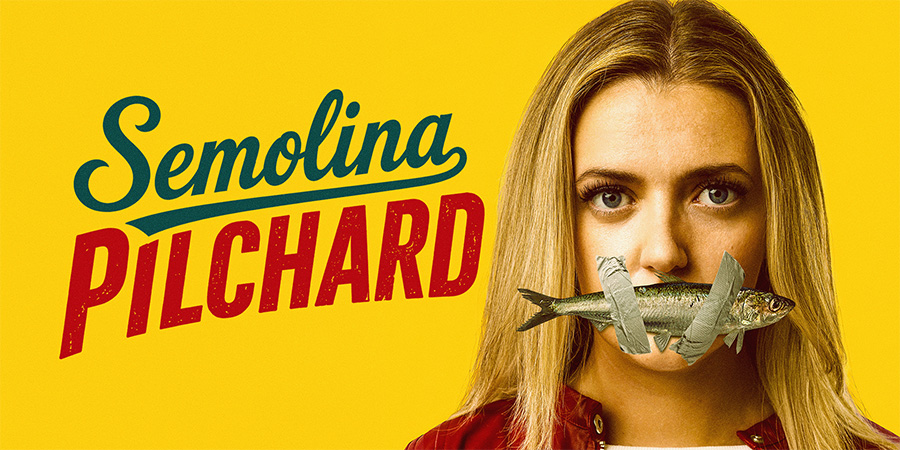
Colourful characters, chaotic criminal mishaps, and a confidently eclectic soundtrack shape Semolina Pilchard to be an eccentric mismatch comedy of errors that attempts to replicate the great capers of Guy Ritchie, Matthew Vaughn, and Nick Love. Director Mike Clarke refreshingly places female characters at the forefront of the criminal underworld; an unorthodox choice but one that brings some distinguished originality and freshness to the genre. A gallery of rogues, entailing a group of comically goon-ish killers, thus creating plenty of unpredictable moments in their incompetence.
A comedic drama of sorts, depicting the story of the deeply dysfunctional Reynolds family, their lives epitomised by drug-related influences, threatening to break up relationships and endanger those around them. There is a satisfyingly personal influence to the cast; including up-and-coming performers Sarah Louise-Chadwick and Sophia Leanne Kelly, among a hubbub of recognisable veteran Liverpudlian talents, in Joe McGann (The Upper Hand), Louis Emerick (Layer Cake, The Cage), and Ricky Tomlinson (The Royle Family; Mike Bassett: England Manager).
The film follows Clara (Louise-Chadwick) who upon returning to Liverpool finds out her father (McGann) is dying, his final wish for her to take over his drug-peddling operations across Merseyside; which is met with reluctance, due to Clara’s past struggles with addiction and the impact drugs have had on those close to her. Clara’s younger sister, Danika (Kelly), resents being overlooked, having overseen her father’s proceedings in Clara’s absence, resulting in a plot to hire the unconventional, unrestrained, and unpredictable assassin Rosie (Alina Allison) to eliminate her sister.
Sarah Louise-Chadwick’s Clara is the emotional heart of the film, providing emotional grounding, and successfully conveying the vulnerability and fear beneath a pragmatic exterior. Her performance ensures that the story’s emotional stakes remain engaging despite its eccentricity and criminal absurdity, her level-headed nature contrasting with the increasingly unpredictable criminal world around her. Sophia Leanne Kelly’s performance is also praiseworthy, convincingly conveying the understandable resentment towards both her father and sister. The supporting performances were the standout though; Gabriella Tavini’s Amy provides the film with a moral centre: a caring, grounded presence amid the surrounding madness. Equally, veteran Scouse talents McGann, Emerick, and Tomlinson bring polish and personality to the ensemble. Emerick’s Billy is particularly memorable: despite his limited screen time, he creates genuine menace whenever he appears. Though, Semolina Pilchard certainly benefits from the contrast between the younger performers, and the more experienced cast. The latter inclusions are disappointingly brief, especially Tomlinson, who’s opening credits appearance is memorable.
Performances felt amateurish elsewhere, unfortunately feeling like it solely relied on the recognition of familiar faces, with these characters and several plot-lines receiving insufficient development, thus limiting their overall impact. The dialogue is packed with profanities, contributing to the film’s gritty, authentic Scouse atmosphere, although the excessive swearing, melodramatic performances, and occasionally simplistic dialogue can make some scenes feel overdramatic.
Director Mike Clarke demonstrates a sharp creative vision, a strong understanding of character and place, and considerable confidence in his filmmaking. His decision to shoot throughout Liverpool, Merseyside and Cheshire gives the film a striking visual identity, with bright cinematography capturing both the ruggedness and character of the region. The editing is erratic, snappy and rhythmic, attempting to create a visceral, sensory and occasionally psychedelic experience, with transitions used semi-effectively, while the reflective narration adds some personality and authenticity to the storytelling.
The aspect most praiseworthy though is the grandeur of the world-building, which is particularly commendable, establishing a convincing criminal environment that feels deeply rooted in Liverpool. Sadly though, the emphasis on atmosphere and character development sometimes comes at the expense of narrative progression. The film spends considerable time establishing its world, leaving certain storylines under-developed, with the overall plot feeling less cohesive than it could be.
Despite these shortcomings, Clarke’s confident direction, distinctive visual style, strong sense of place, and effective use of music give the film considerable personality. A love letter to Liverpool: it’s confident, energetic approach celebrates the city’s identity, culture and character. The eclectic soundtrack, featuring the likes of OMD, Black, Amsterdam, Ian McNabb, Dean Johnson, give the film a distinctive flavour, reinforcing its sense of place.
Ultimately, Semolina Pilchard is an energetically unorthodox independent film that showcases the potential of Liverpool’s blossoming independent film industry. While it’s pacing and uneven character development prevent it from fully realising its ambitions, eccentric characters and unmistakable local identity make it an enjoyable and distinctive production.
On UK digital 2 November 2026 from Trinity Content Partners
Ben Nixon
